Teaching
Teaching
Teaching
Jump to course syllabi
Tools & Techniques
Design Systems II
Digital Survey I
Jump to course syllabi
Tools & Techniques
Design Systems II
Digital Survey I
Design to the top of your intelligence
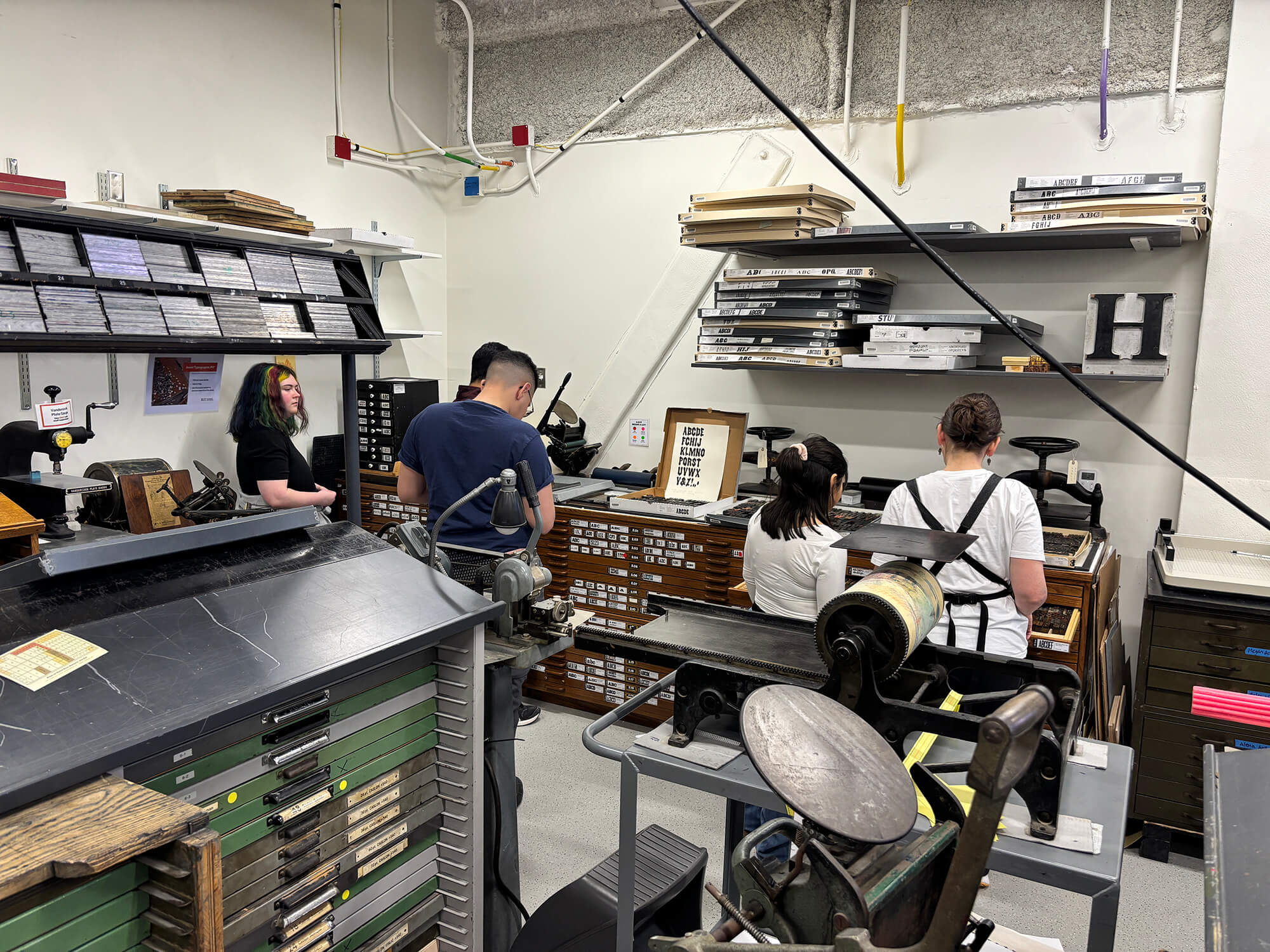
During my first semester of teaching in class one day I was waxing poetic to my students on how I approach a graphic design problem. I modified a quote I remembered from an improvisation class and amended it to work in this context; to “design to the top of your intelligence.”
This concept invites students to approach their graphic design assignments with rigor, curiosity, and depth. To cast a wide net of ideas and references in order to capture conceptually sound and evocative design solutions.
A great day in the classroom is when my students are understanding the deeper mechanics of design and I witness the excitement arise on their faces with the realization that they too can access these skills to make great work.
Teaching Methods
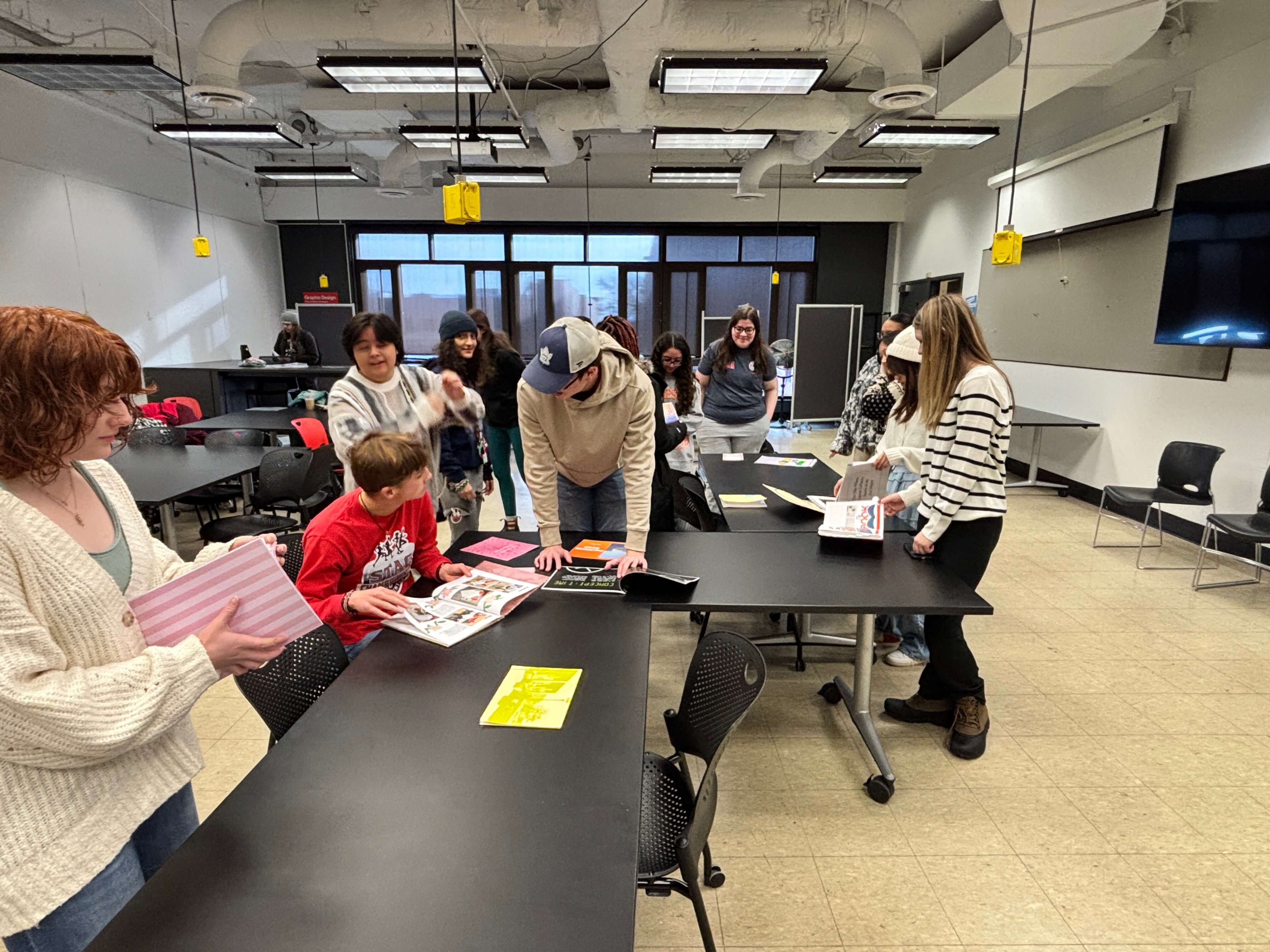
In the classroom, I believe in leading by example and transparency. I regularly introduce students to the work of prolific designers, unpacking the processes—research, ideation, iteration, and execution—that shape successful design outcomes. By breaking down case studies step-by-step, I aim to demystify the creative process and show students that strong conceptual design is not accidental but deliberate and disciplined.
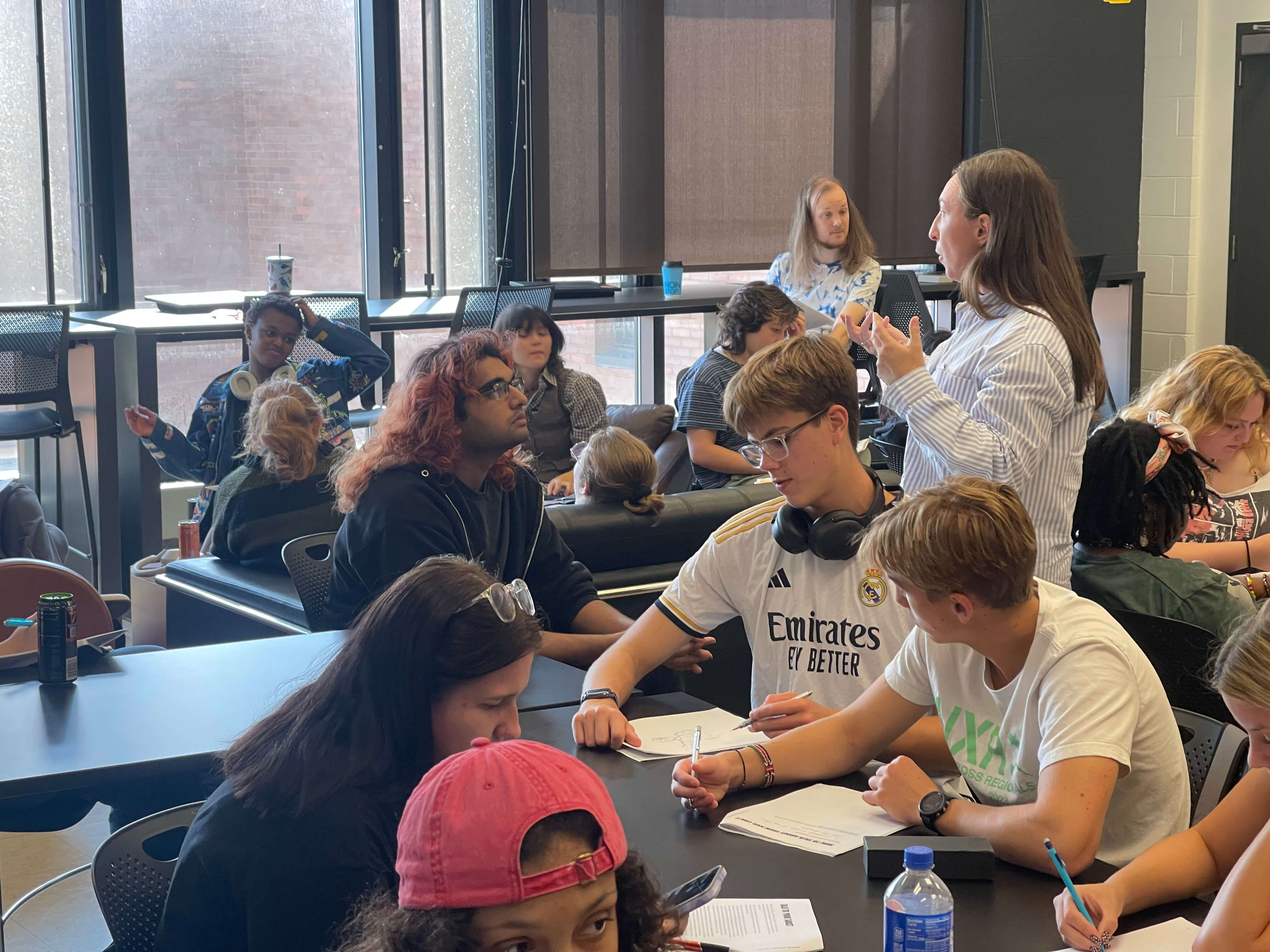
This is when my lecture ends and students share their own observations and discuss:
Why does this piece resonate?
Is it a successful design solution? Why?
Does the work fall short? Why?
How does this piece make you feel? Why?
What design elements has the designer used in order to communicate?
Through critique and guided discussion, I encourage students to articulate their reactions, connect design mechanics to emotional impact, and develop a personal, reflective design voice. Students are then given space to explore these methodologies themselves, discovering their own approaches as they engage in moodboarding, sketching, iterating, and presenting work.
My teaching style mirrors the structure of “real world” design agency practices. I organize assignments using the same processes I followed in my career as a creative director and graphic designer in the global design center of the world, New York City. Understanding the brief, ideation, internal and external critique, presentation, and revision are some steps students take throughout a design assignment. I share real client presentation decks to provide transparency into industry expectations and to emphasize that design is not only what we create, but how we communicate its value.
I also emphasize an important yet sometimes overlooked aspect of graphic design: the power of presentation. What I often describe as the “showbiz” aspect of design; presentation is an important skill for students to cultivate in order to humanize their ideas and build trust and confidence in their clients.
Assessment
My assessment methods align with my goals of prioritizing conceptual clarity, iterative process, and the ability to articulate design reasoning. Students are evaluated not only on the final deliverable but also on research depth, ideation comprehensiveness, engagement in critique, and improvement over time. Written reflections, process documentation, and critique participation allow me to see how students are thinking, not just what they are producing. This reinforces the idea that mastering design requires both craft and critical thought.
Inclusivity and Adaptability
I am committed to fostering an inclusive classroom where students of diverse backgrounds and abilities respectfully share their perspectives with peers and through their design work. Being a CODA (Child of Deaf Adults) is a part of my identity and I have had the privilege of being around Deaf Culture my entire life. Living with Deaf parents, and witnessing the challenges of being Deaf in a hearing world gave me an awareness and empathy for people that have been historically underrepresented or subject to discrimination striving to participate within a culture that does not acknowledge them or allow access easily.
My teaching emphasizes progress over perfection, in hopes that students feel comfortable taking creative risks. This flexibility allows students with varied learning styles—whether analytical, intuitive, collaborative, or independent—to find a point of entry into the work. My goal is to cultivate a studio culture where all students feel respected, supported, and challenged to evolve as designers and thinkers.
Future Development
I view my teaching practice as iterative, much like design itself. As I continue to develop professionally, I plan to integrate emerging technologies (like Framer, Figma Make, and Webflow), update course materials to reflect current industry shifts (hello AI), and strengthen opportunities for interdisciplinary collaboration (make friends with Illustration, Animation and Photography majors).
I am also committed to refining my assessment methods, to account not just for assignment completion, but quality, industry-standard design work, as well as expanding classroom opportunities that foster inclusivity and belonging. Ultimately, I aim to practice what I preach by modeling the curiosity, adaptability, and conceptual rigor I expect from my students.
During my first semester of teaching, in class one day I was waxing poetic to my students on how I approach a graphic design problem. I modified a quote from an improvisation class I took in college and amended it to work in this context: to “design to the top of your intelligence.”
This concept invites students to approach their graphic design assignments with rigor, curiosity, and depth. To cast a wide net of ideas and references in order to capture conceptually sound and evocative design solutions.
A great day in the classroom is when my students are understanding the deeper mechanics of design and I witness the excitement develop on their faces with the realization that they too can access these skills to make great work.
Teaching Methods
In the classroom, I believe in leading by example and transparency. I regularly introduce students to the work of prolific designers, unpacking the processes—research, ideation, iteration, and execution—that shape successful design outcomes. By breaking down case studies step-by-step, aiming to demystify the creative process and show students that strong conceptual design is not accidental but deliberate and disciplined.
This is when my lecture ends and the students take over, asking them questions like:
Why does this piece resonate?
Is it a successful design solution? Why?
Does the work fall short? Why?
How does this piece make you feel? Why?
What design elements has the designer used in order to communicate?
Through critique and guided discussion, I encourage students to articulate their reactions, connect design mechanics to emotional impact, and develop a personal, reflective design voice. Students are then given space to explore these methodologies themselves, discovering their own approaches as they engage in moodboarding, sketching, iterating, and presenting work.
My teaching style mirrors the structure of “real world” design agency practices. I organize assignments using the same processes I followed in my career as a creative director and graphic designer in the global design center of the world, New York City. Understanding the brief, ideation, internal and external critique, presentation, and revision are some steps students take throughout a design assignment. I share real client presentation decks to provide transparency into industry expectations and to emphasize that design is not only what we create, but how we communicate its value.
I also emphasize an important yet sometimes overlooked aspect of graphic design: the power of presentation. What I often describe as the “showbiz” aspect of design; presentation is an important skill for students to cultivate in order to humanize their ideas and build trust and confidence in their clients.
Assessment
My assessment methods align with my goals of prioritizing conceptual clarity, iterative process, and the ability to articulate design reasoning. Students are evaluated not only on the final deliverable but also on research depth, ideation breadth, engagement in critique, and improvement over time. Written reflections, process documentation, and critique participation allow me to see how students are thinking, not just what they are producing. This reinforces the idea that mastering design requires both craft and critical thought.
Inclusivity and Adaptability
I am committed to fostering an inclusive classroom where students of diverse backgrounds and abilities respectfully share their perspectives with peers and through their design work. Being a CODA (Child of Deaf Adults) is a part of my identity and I have had the privilege of being around Deaf Culture my entire life. Living with Deaf parents, and witnessing the challenges of being Deaf in a hearing world gave me an awareness and empathy for people that have been historically underrepresented or subject to discrimination striving to participate within a culture that does not acknowledge them or allow access easily.
Because each student enters with different strengths, cultural references, and communication styles, I adapt my teaching to meet them where they are. Some students thrive through verbal critique, others through written reflection or visual exploration. I offer multiple modes of engagement, ensuring all students can contribute meaningfully to discussions and critiques. My goal is to cultivate a studio culture where all students feel respected, supported, and challenged to evolve as designers and thinkers.
Future Development
I view my teaching practice as iterative, much like design itself. As I continue to develop professionally, I plan to integrate emerging technologies (like Framer, Figma Make, and Webflow), update course materials to reflect current industry shifts (hello AI), and strengthen opportunities for interdisciplinary collaboration (make friends with Illustration, Animation and Photography majors).
I am also committed to refining my assessment methods, to account not just for assignment completion, but quality, industry-standard design work, as well as expanding classroom opportunities that foster inclusivity and belonging. Ultimately, I aim to practice what I preach by modeling the curiosity, adaptability, and conceptual rigor I expect from my students.
Jump to course syllabi
Tools & Techniques
Design Systems II
Digital Survey I
Graphic Design | First Year
Tools & Techniques
Course description
This project-based course equips students with the skills to create and edit visually compelling imagery using various design tools and techniques. The course provides a comprehensive introduction to core graphic design principles, industry standards, and essential digital proficiencies.
Students will develop their abilities in both physical and digital formats through foundational design elements such as point, line, shape, color, and texture. Key topics covered in lectures and demonstrations include design thinking, Gestalt principles, color theory, composition, and the use of hardware and software. Course assignments created by Joel Rosen, Carol Filip, and Natalie Mertz.
Goals
Create and edit visually compelling designs.
Apply core principles of graphic design and visual communication.
Gain proficiency in Adobe Illustrator, Photoshop, and InDesign.
Work confidently in both physical and digital formats.
Use design elements—point, line, shape, color, texture—effectively.
Apply design thinking, Gestalt principles, color theory, and composition.
Integrate hardware and software tools in the creative process.
Build a solid foundation through hands-on, project-based learning.
Projects & Assignments
Exercise 1 – Gestalt
Exercise 2 – Pen Tool (Adobe Illustrator)
Exercise 3 – Layout (Adobe InDesign)
Exercise 4 – Masking (Adobe Photoshop)
Project 1 – Leaf Shape
Project 2 – Moodboard
Project 3 – Visual Interpretation Blitz
Project 4 – Portfolio Book (Final project)
Course description
This project-based course equips students with the skills to create and edit visually compelling imagery using various design tools and techniques. The course provides a comprehensive introduction to core graphic design principles, industry standards, and essential digital proficiencies.
Students will develop their abilities in both physical and digital formats through foundational design elements such as point, line, shape, color, and texture. Key topics covered in lectures and demonstrations include design thinking, Gestalt principles, color theory, composition, and the use of hardware and software. Course assignments created by Joel Rosen, Carol Filip, and Natalie Mertz.
Goals
Create and edit visually compelling designs.
Apply core principles of graphic design and visual communication.
Gain proficiency in Adobe Illustrator, Photoshop, and InDesign.
Work confidently in both physical and digital formats.
Use design elements—point, line, shape, color, texture—effectively.
Apply design thinking, Gestalt principles, color theory, and composition.
Integrate hardware and software tools in the creative process.
Build a solid foundation through hands-on, project-based learning.
Projects & Assignments
Exercise 1 – Gestalt
Exercise 2 – Pen Tool (Adobe Illustrator)
Exercise 3 – Layout (Adobe InDesign)
Exercise 4 – Masking (Adobe Photoshop)
Project 1 – Leaf Shape
Project 2 – Moodboard
Project 3 – Visual Interpretation Blitz
Project 4 – Portfolio Book (Final project)







Jala Afif-Hayes. Leaf Shape.
Gabby Winston. Portfolio Book.
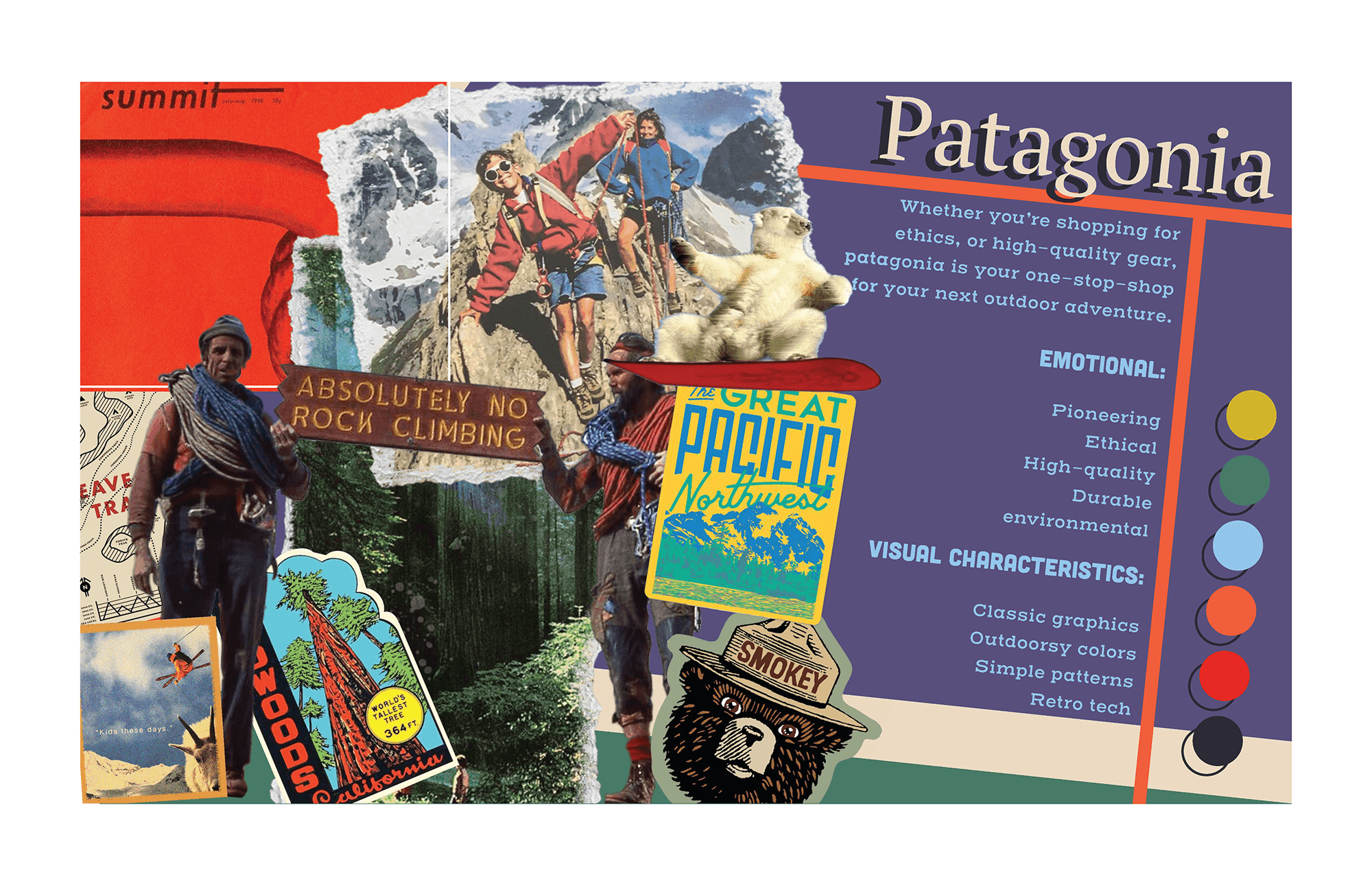
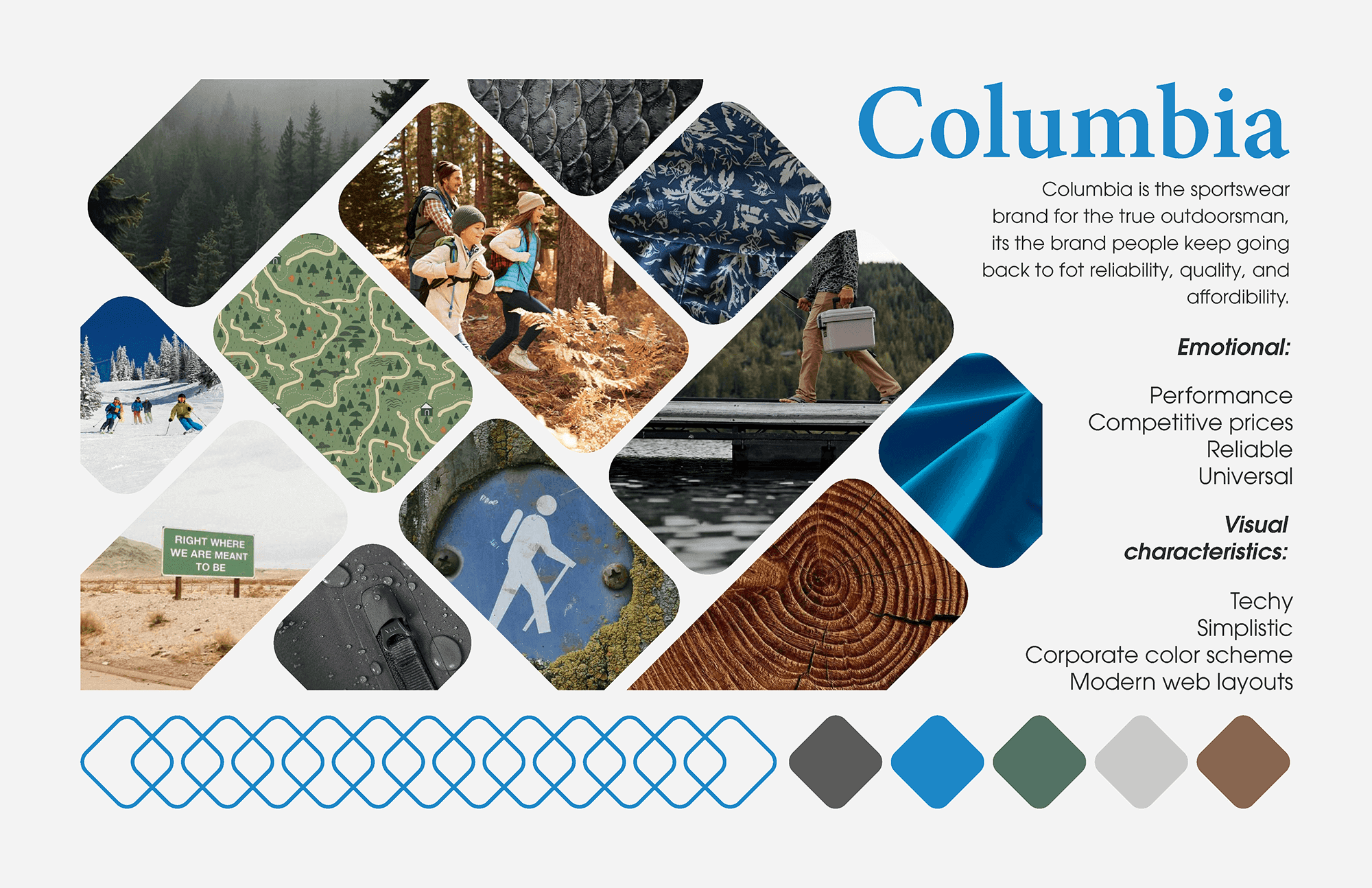
Sullivan O'Donnell. Moodboard brand comparison.
Kate Silverthorne. Portfolio Book.
Graphic Design | Fourth Year
Design Systems II
Course descriptionThis course provides an overview of the visual systems designers utilize to create meaningful, functional, and beautiful brands and identities as an integrated study within the field of graphic design.
By utilizing brand processes, theories, and design methodology, brand strategy, positioning, touch-points, research, and management will be considered in the process of creating comprehensive branding and identity systems. Past and present case studies will provide students historical background and explore current and future trends in design for branding. Course created by Rachel Herring.
Goals
Develop an identity and branding graphic standardsResearch, analyze, and interpret information in the process of writing a mission statement for an identity programCreate designs that convincingly support a concept aligned with company/organization goals and objectives; project intent and intended audienceCreate design continuity within a group of complex interrelated project componentsUnderstand various corporate cultures, business structures and their operations
Projects & Assignments
Project 1 – Identity without logo
Project 2 – Identity with a logo
Project 3 – Collaborative Photo Book Identity
Student Awards
Isabelle Tsamis. American Folk Art Museum Rebrand.
Graphis New Talent 2026 – Silver Award.
Mia Clarizio. Corning Museum of Glass Rebrand.
Graphis New Talent 2026 – Silver Award.
Course descriptionThis course provides an overview of the visual systems designers utilize to create meaningful, functional, and beautiful brands and identities as an integrated study within the field of graphic design.
By utilizing brand processes, theories, and design methodology, brand strategy, positioning, touch-points, research, and management will be considered in the process of creating comprehensive branding and identity systems. Past and present case studies will provide students historical background and explore current and future trends in design for branding. Course created by Rachel Herring.
Goals
Develop an identity and branding graphic standardsResearch, analyze, and interpret information in the process of writing a mission statement for an identity programCreate designs that convincingly support a concept aligned with company/organization goals and objectives; project intent and intended audienceCreate design continuity within a group of complex interrelated project componentsUnderstand various corporate cultures, business structures and their operations
Projects & Assignments
Project 1 – Identity without logo
Project 2 – Identity with a logo
Project 3 – Collaborative Photo Book Identity
Student Awards
Isabelle Tsamis. American Folk Art Museum Rebrand.
Graphis New Talent 2026 – Silver Award.
Mia Clarizio. Corning Museum of Glass Rebrand.
Graphis New Talent 2026 – Silver Award.
Course descriptionThis course provides an overview of the visual systems designers utilize to create meaningful, functional, and beautiful brands and identities as an integrated study within the field of graphic design.
By utilizing brand processes, theories, and design methodology, brand strategy, positioning, touch-points, research, and management will be considered in the process of creating comprehensive branding and identity systems. Past and present case studies will provide students historical background and explore current and future trends in design for branding. Course created by Rachel Herring.
Goals
Develop an identity and branding graphic standardsResearch, analyze, and interpret information in the process of writing a mission statement for an identity programCreate designs that convincingly support a concept aligned with company/organization goals and objectives; project intent and intended audienceCreate design continuity within a group of complex interrelated project componentsUnderstand various corporate cultures, business structures and their operations
Projects & Assignments
Project 1 – Identity without logo
Project 2 – Identity with a logo
Project 3 – Collaborative Photo Book Identity
Student Awards
Isabelle Tsamis. American Folk Art Museum Rebrand.
Graphis New Talent 2026 – Silver Award.
Mia Clarizio. Corning Museum of Glass Rebrand.
Graphis New Talent 2026 – Silver Award.
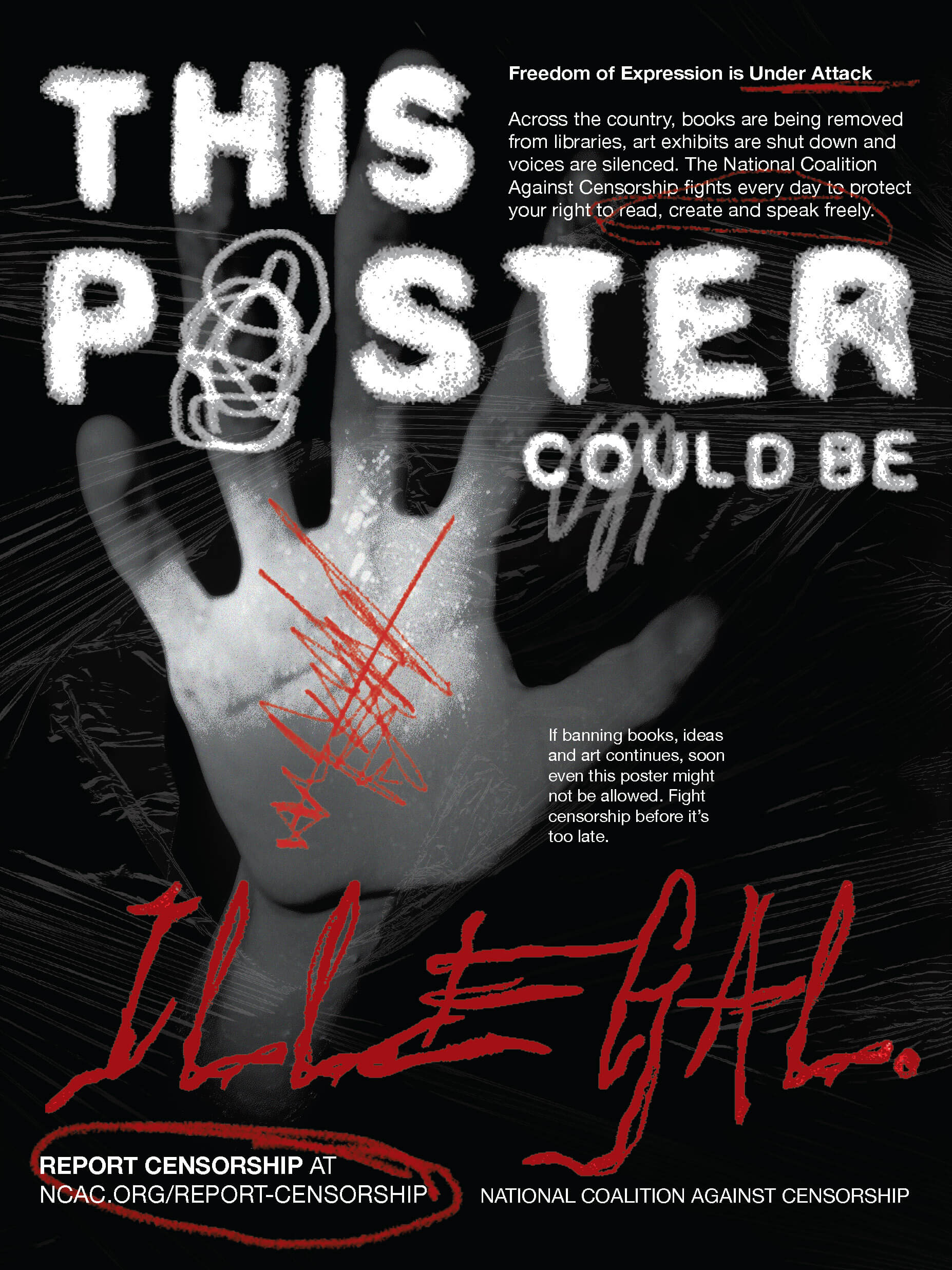

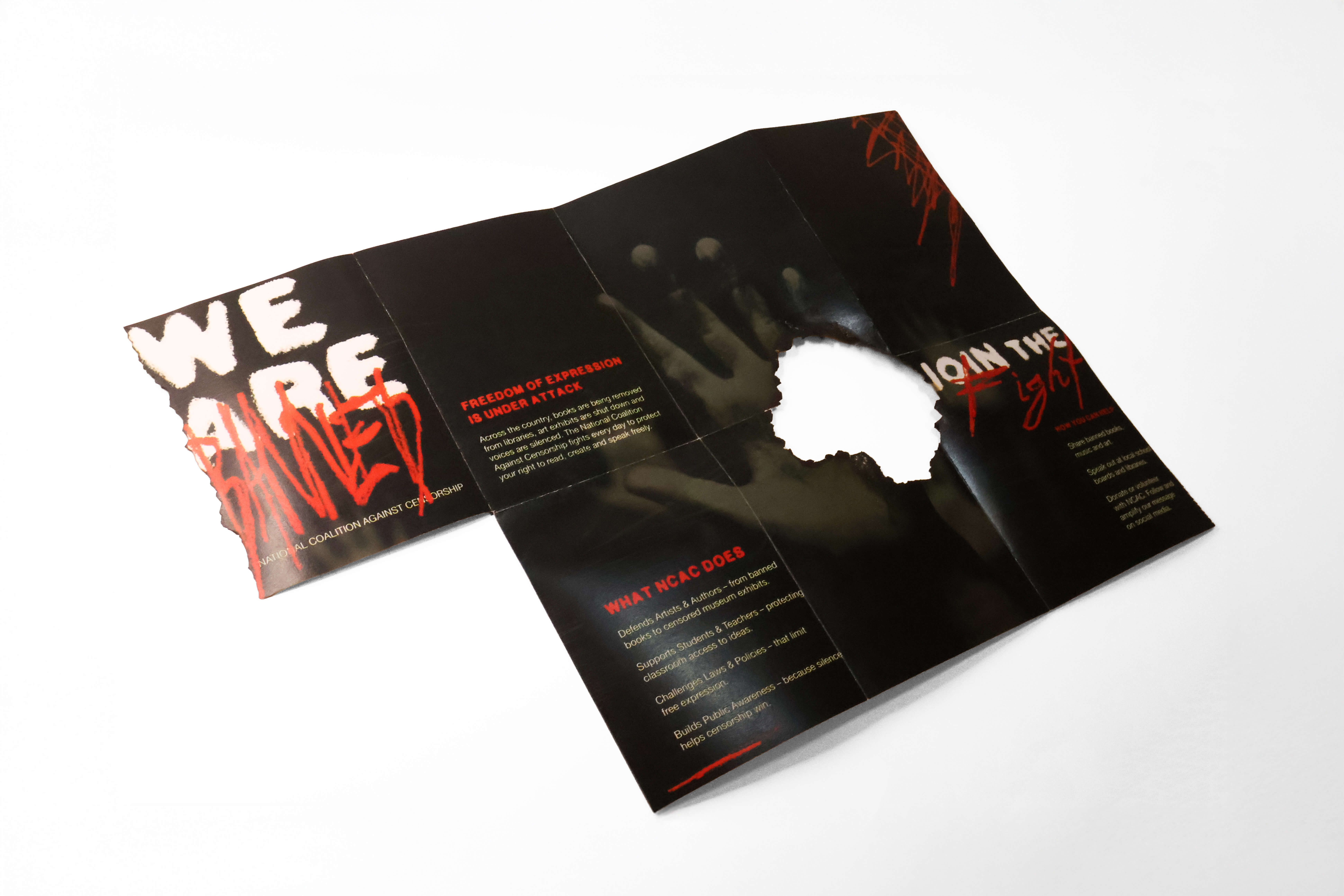
Vasilina Baturina. National Coalition Against Censorship poster and brochure.
Vasilina Baturina. National Coalition Against Censorship poster and brochure.
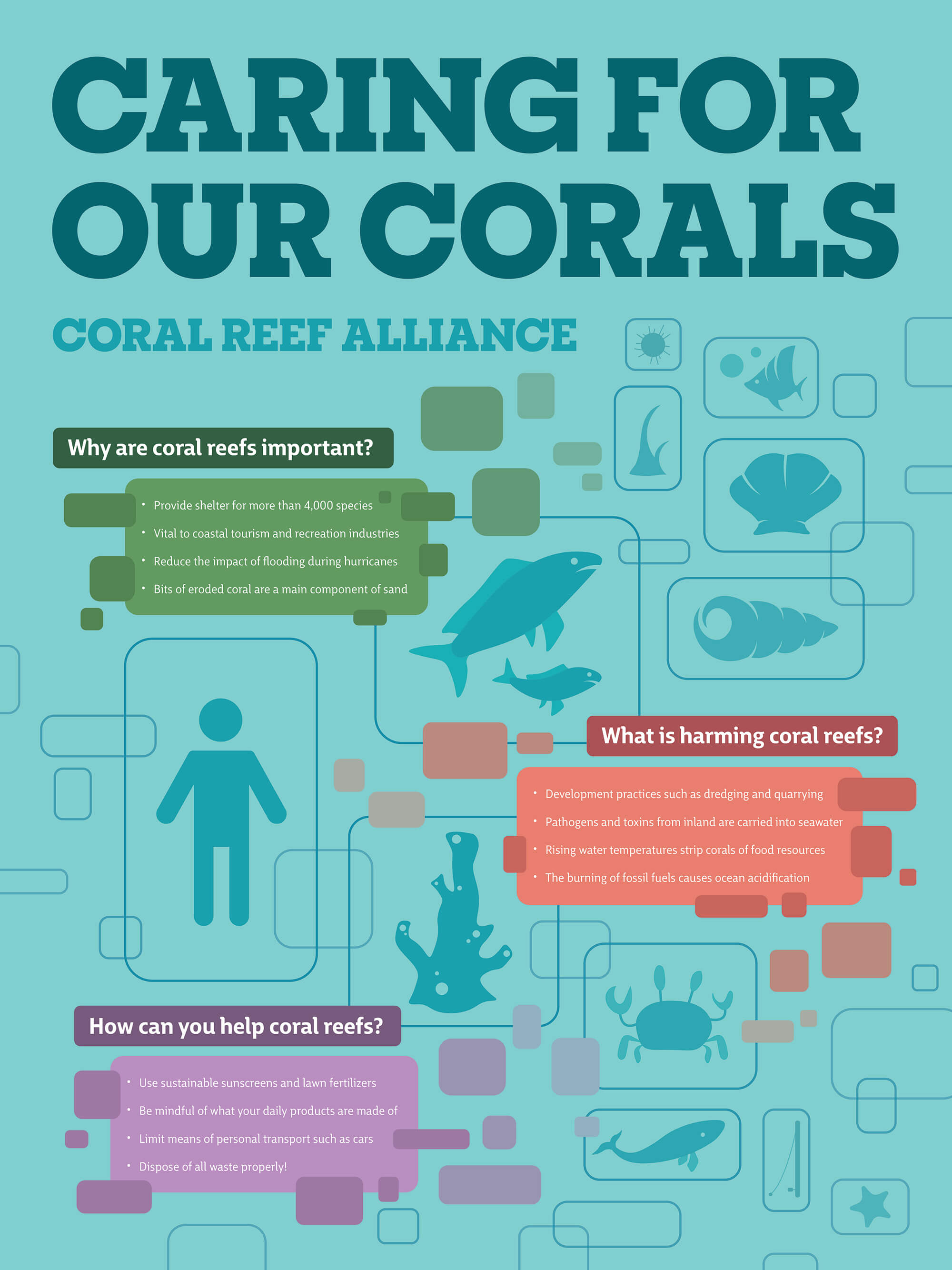
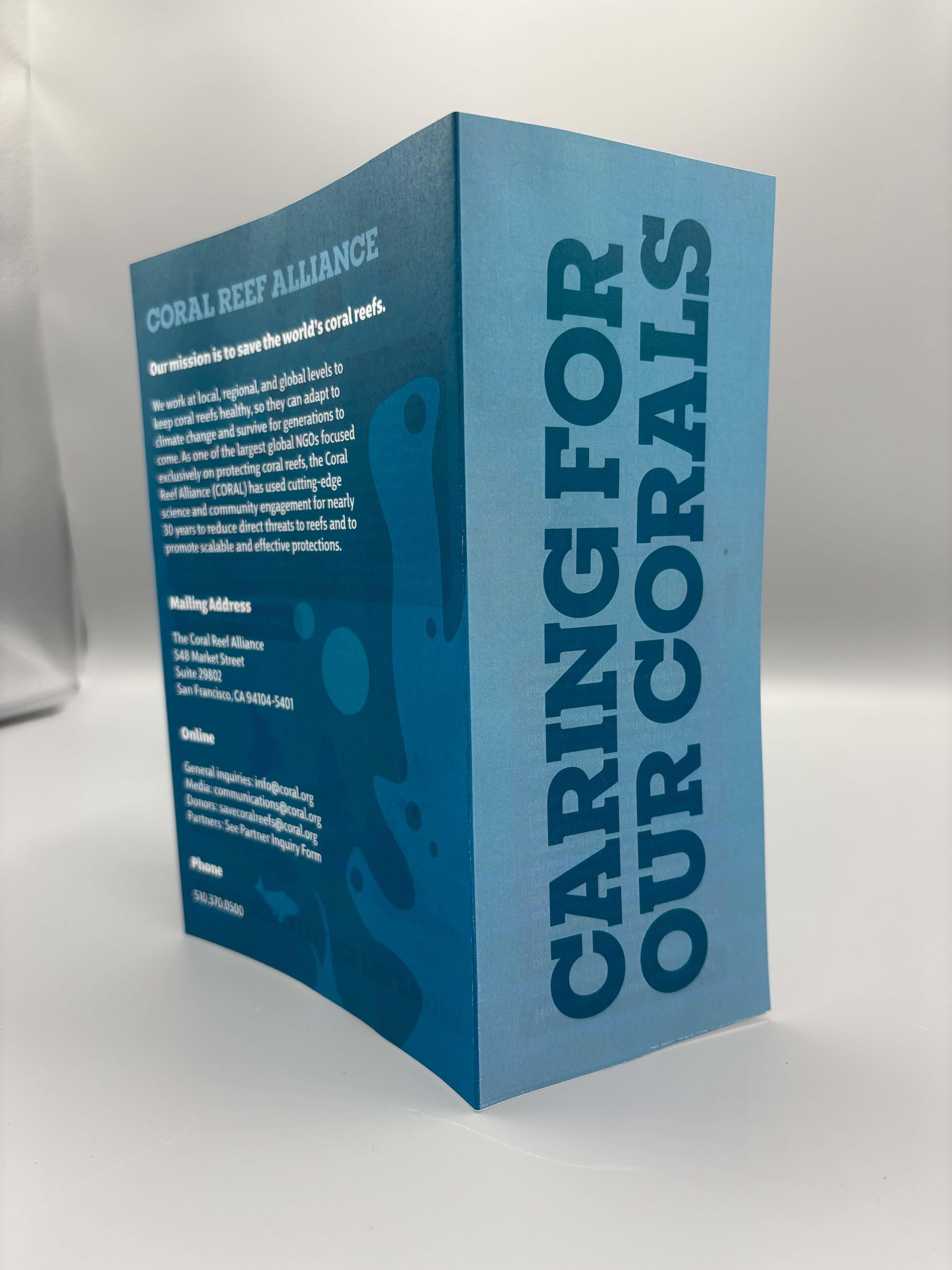
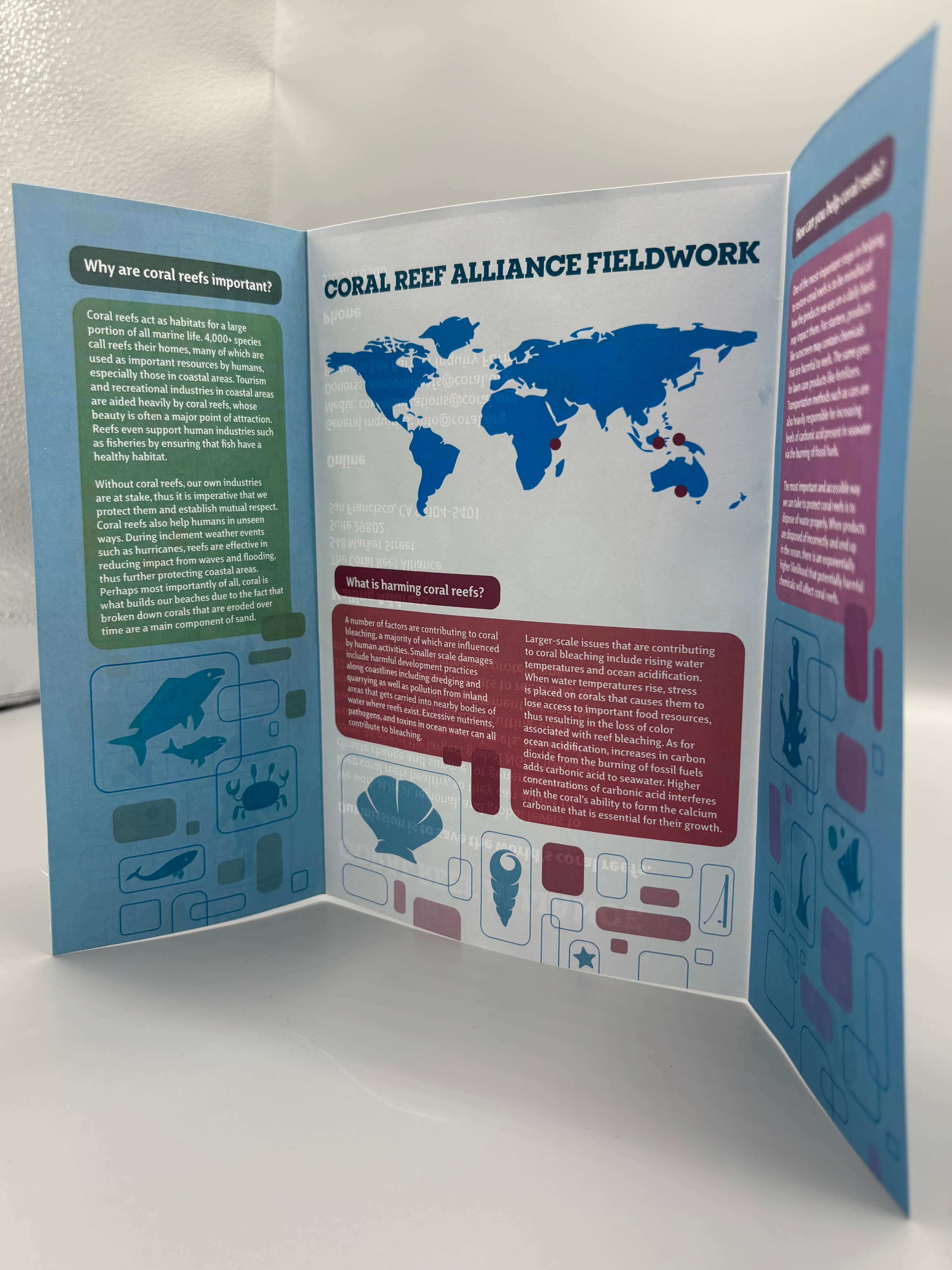
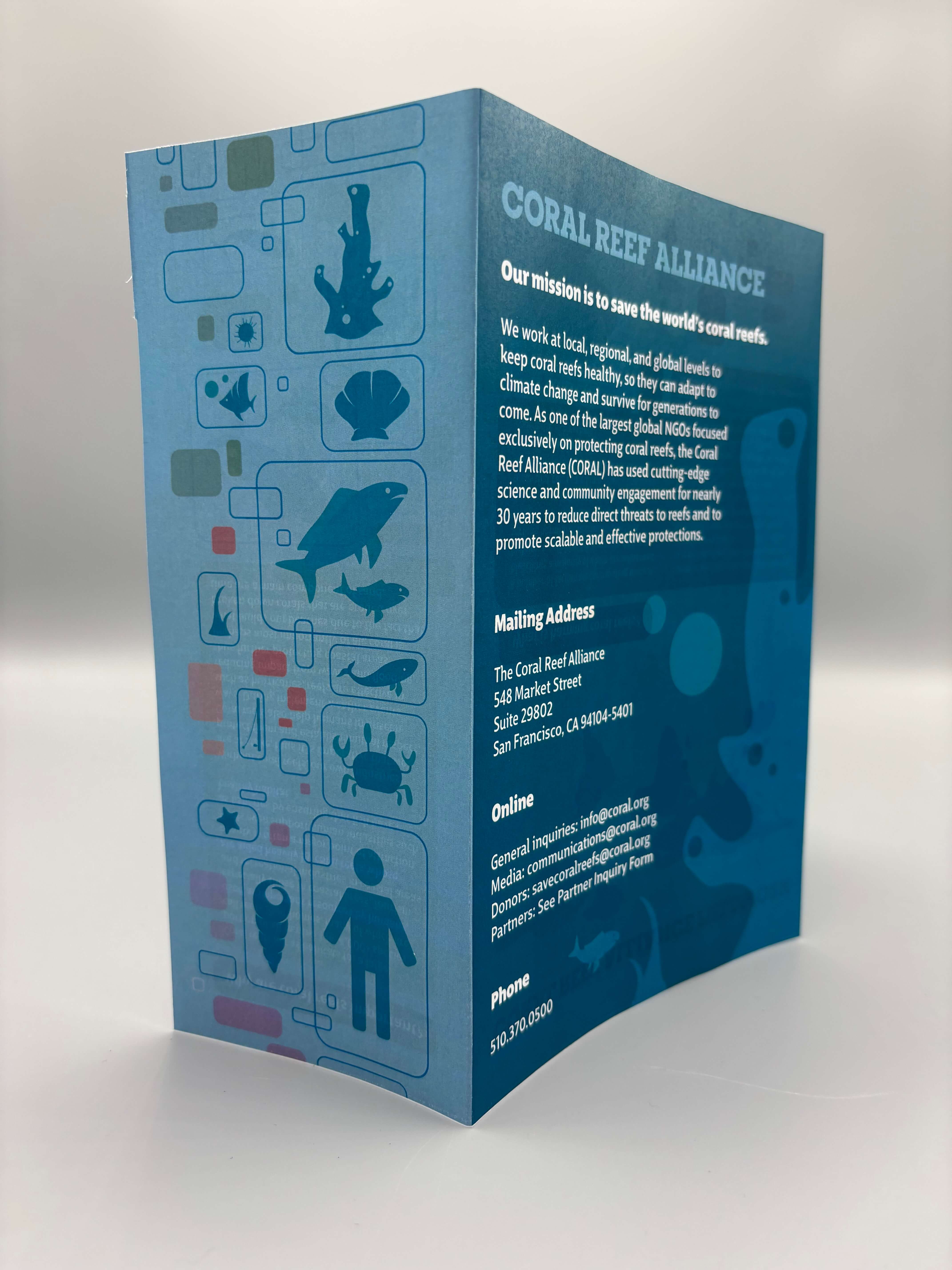
Lucas Tutterman. Caring for our Corals poster and brochure.
Lucas Tutterman. Caring for our Corals poster
and brochure.

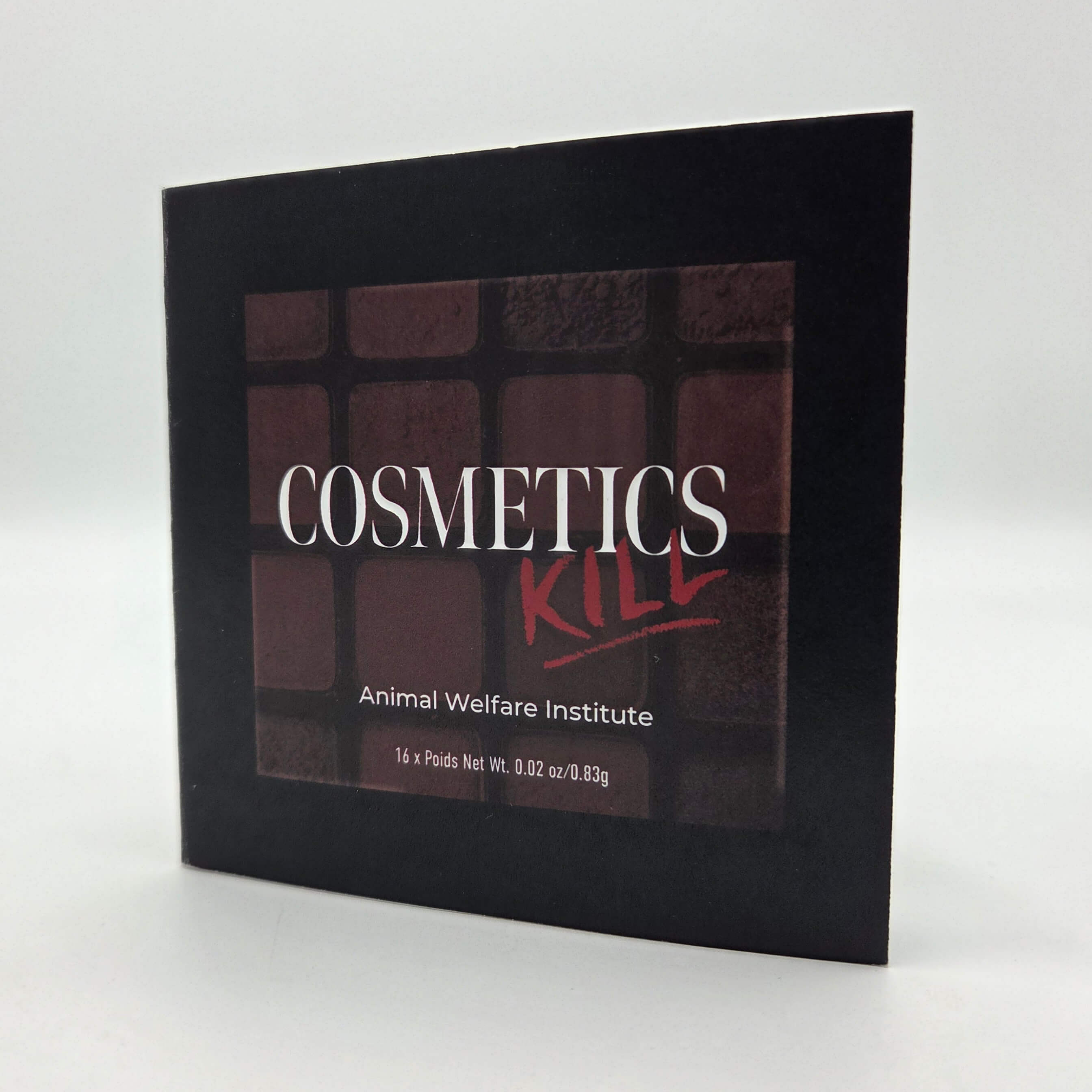
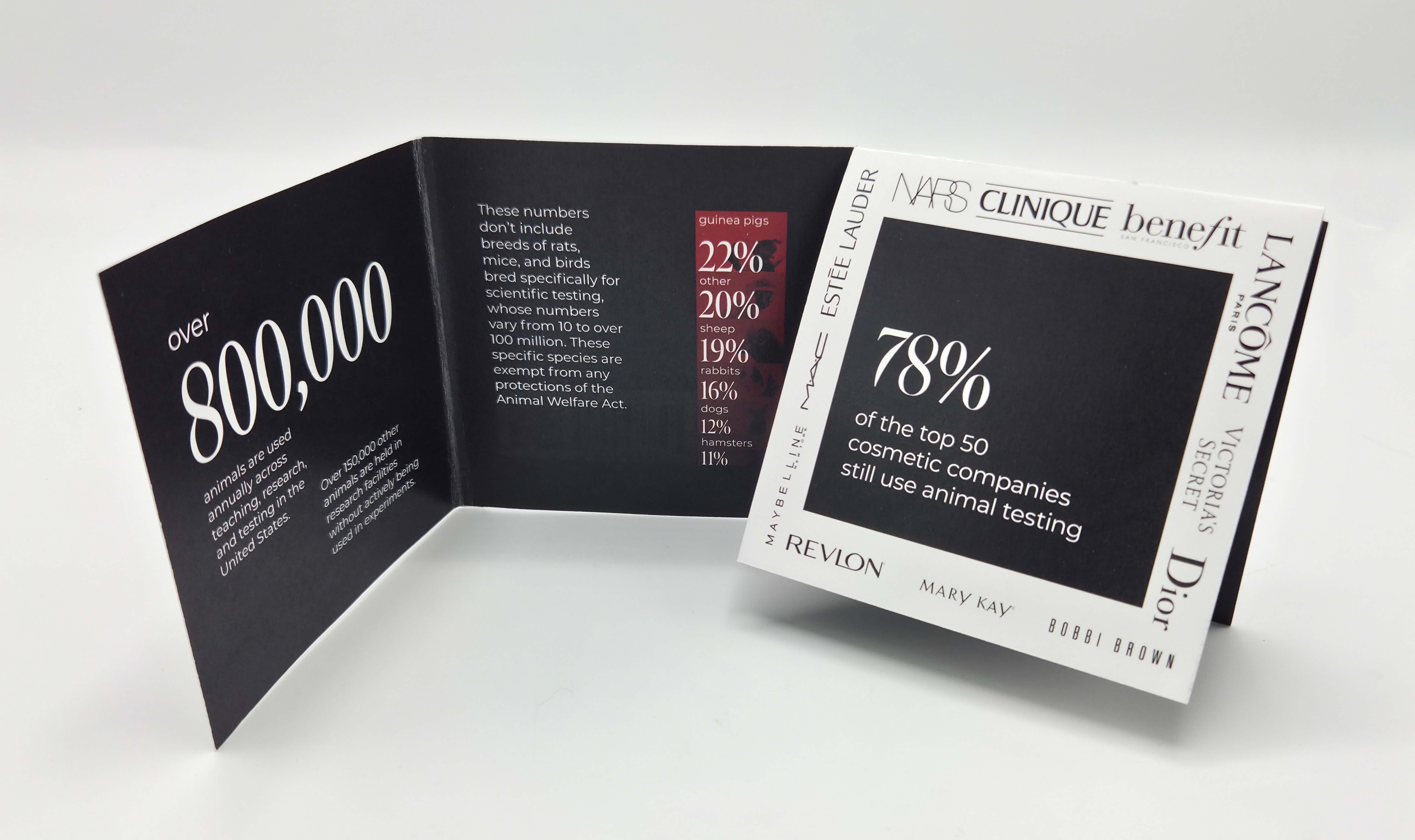
Isabelle Tsamis. Animal Welfare Institute poster and brochure.
Vasilina Baturina. Textile Museum rebrand.
Isabelle Tsamis. American Folk Art Museum rebrand.
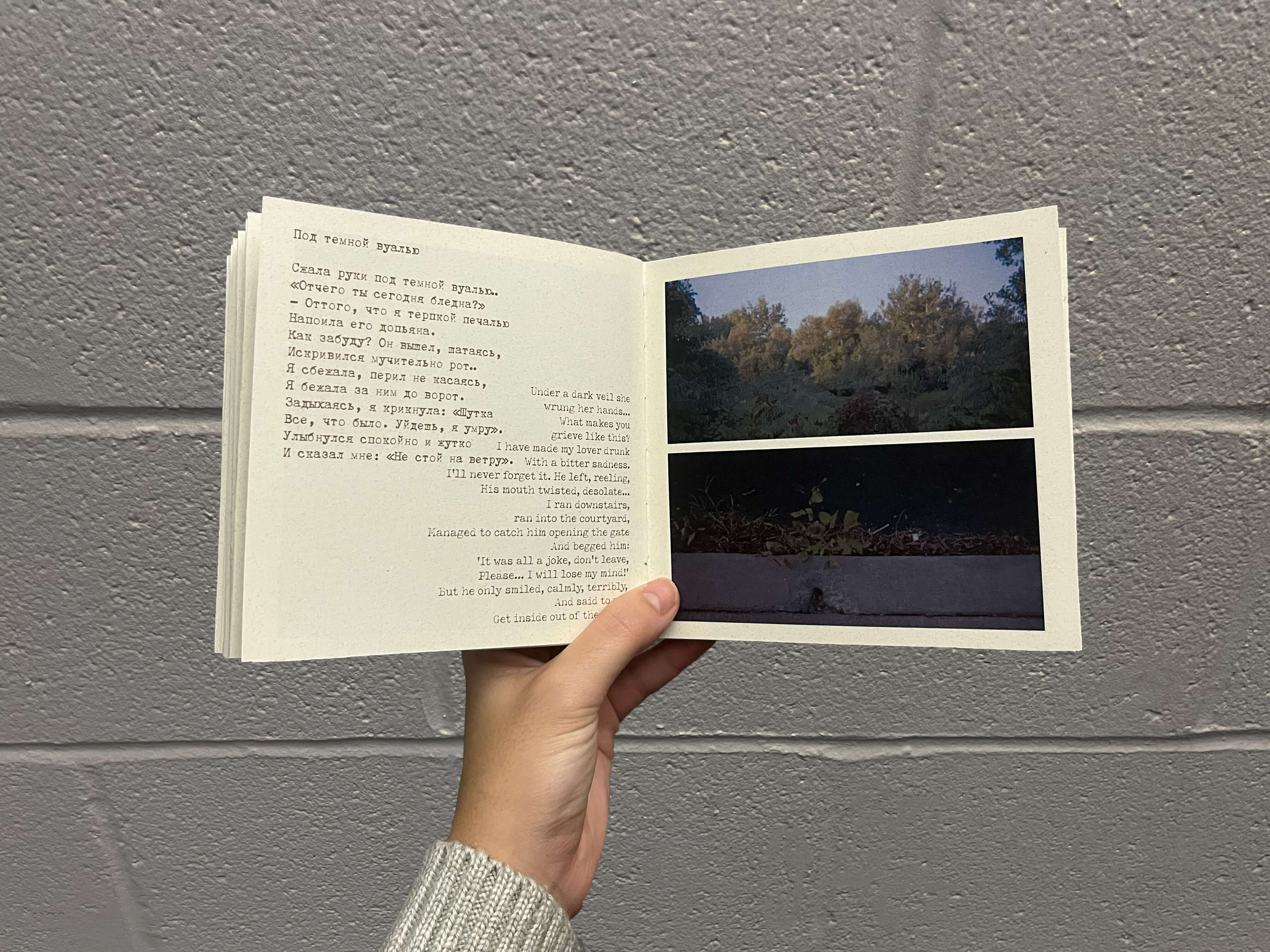
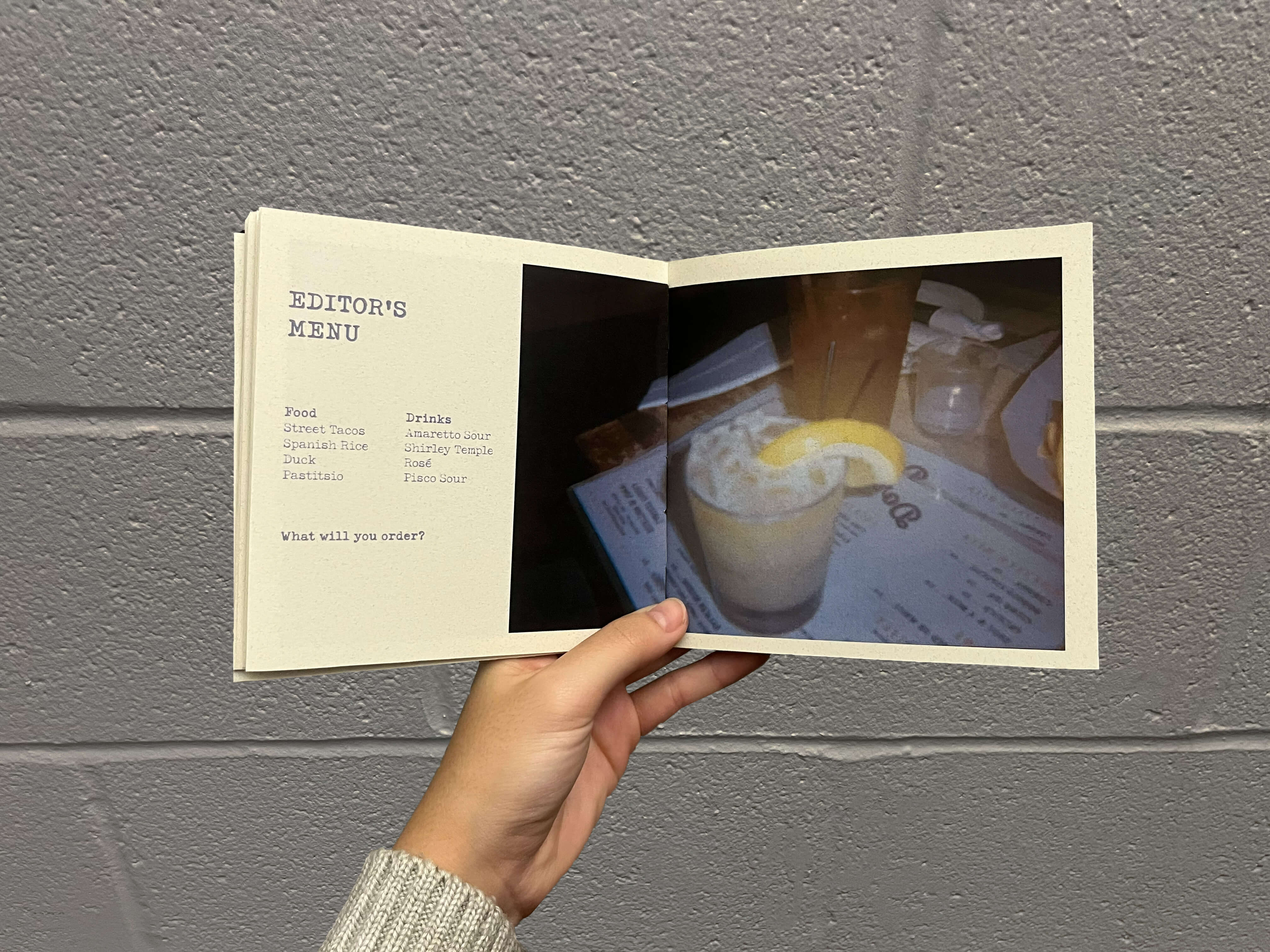
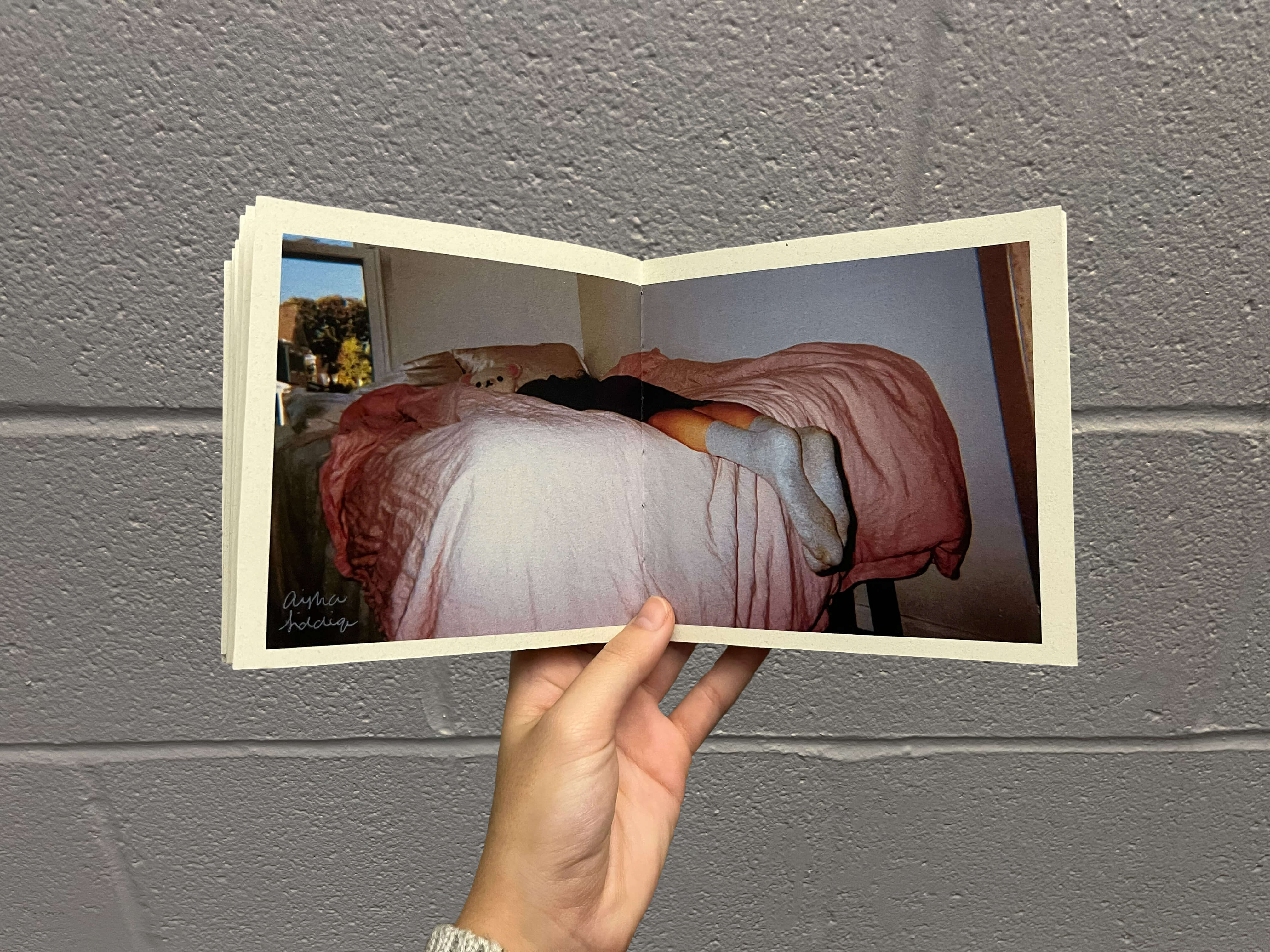
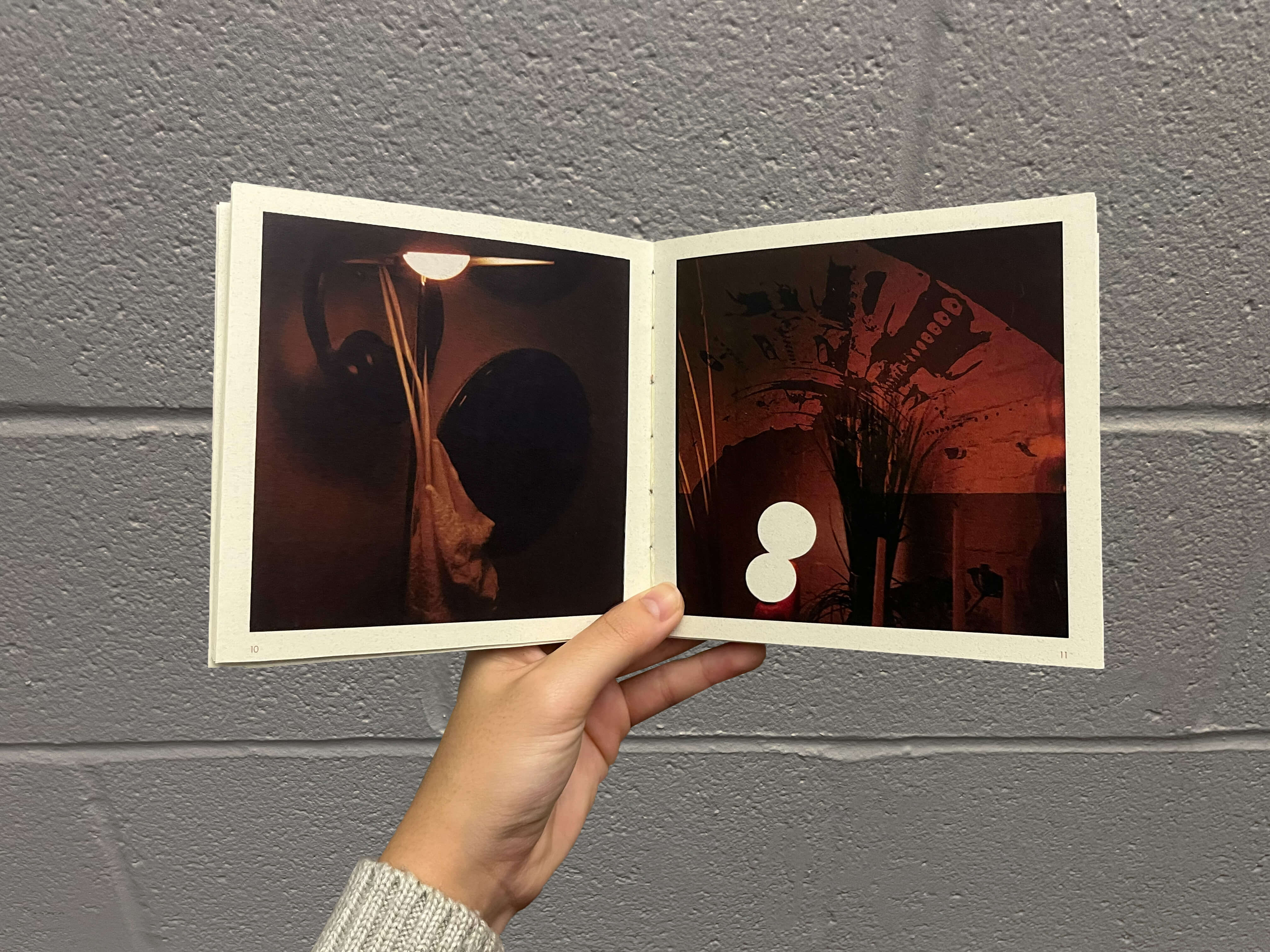
Vasilina Baturina, Mia Clarizio, Isabelle Tsamis, Lucas Tutterman.
Commonplace book.
Vasilina Baturina, Mia Clarizio, Isabelle Tsamis, Lucas Tutterman. Commonplace book.
New Media Design | First Year
Digital Survey I
Course description
This project-based course is an investigation of the computer as an illustrative and image generation tool. It develops design skills in raster and vector image creation, editing, and compositing for online production. Emphasis will be on the application of visual design organization methods to electronic media.
Students will create and edit images, combining vector and raster-based design solutions for online delivery. Development and reinforcement of drawing skills as well as use of color, typography and photography in the digital environment will be explored and expanded, as well as pictorial composition and visual aesthetics. Course created by Joel Rosen.
Goals
Students will learn basic fundamentals of vector and raster image creation and editing applications.
Students will learn methods of visual organization, page layout and composition.
Student will learn to develop design solutions for effective communication including aesthetic considerations, appropriate concept development and pragmatic concerns.
Students will understand and use effective design and development processes as well as appropriate levels of craftsmanship, visual and technical literacy.
Projects & Assignments
Moodboard Assignment
Pentool Exercise
Masking Exercise
Composite Image Exercise
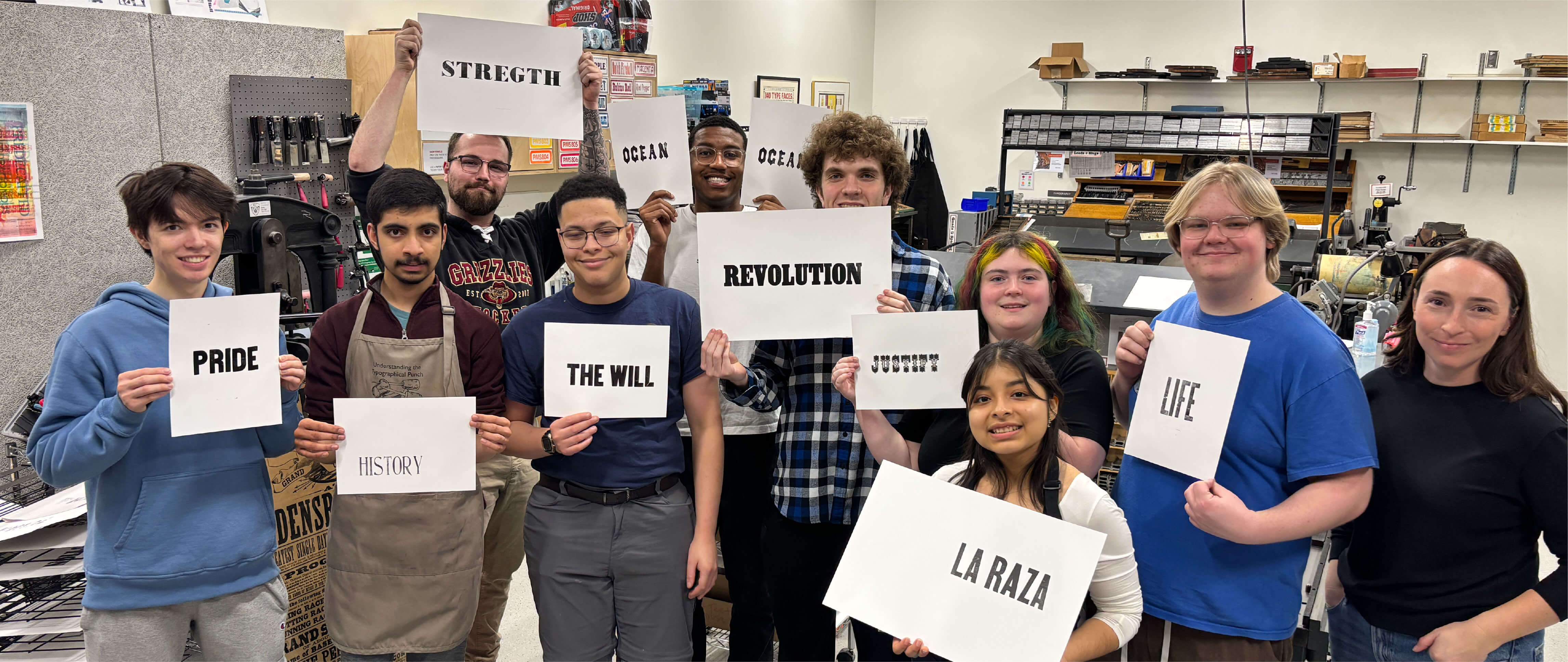
Wood Type Poster Assignment
Step-by-Step Assignment
National Parks Poster Assignment
Course description
This project-based course is an investigation of the computer as an illustrative and image generation tool. It develops design skills in raster and vector image creation, editing, and compositing for online production. Emphasis will be on the application of visual design organization methods to electronic media.
Students will create and edit images, combining vector and raster-based design solutions for online delivery. Development and reinforcement of drawing skills as well as use of color, typography and photography in the digital environment will be explored and expanded, as well as pictorial composition and visual aesthetics. Course created by Joel Rosen.
Goals
Students will learn basic fundamentals of vector and raster image creation and editing applications.
Students will learn methods of visual organization, page layout and composition.
Student will learn to develop design solutions for effective communication including aesthetic considerations, appropriate concept development and pragmatic concerns.
Students will understand and use effective design and development processes as well as appropriate levels of craftsmanship, visual and technical literacy.
Projects & Assignments
Moodboard Assignment
Pentool Exercise
Masking Exercise
Composite Image Exercise
Wood Type Poster Assignment
Step-by-Step Assignment
National Parks Poster Assignment
Course description
This project-based course is an investigation of the computer as an illustrative and image generation tool. It develops design skills in raster and vector image creation, editing, and compositing for online production. Emphasis will be on the application of visual design organization methods to electronic media.
Students will create and edit images, combining vector and raster-based design solutions for online delivery. Development and reinforcement of drawing skills as well as use of color, typography and photography in the digital environment will be explored and expanded, as well as pictorial composition and visual aesthetics. Course created by Joel Rosen.
Goals
Students will learn basic fundamentals of vector and raster image creation and editing applications.
Students will learn methods of visual organization, page layout and composition.
Student will learn to develop design solutions for effective communication including aesthetic considerations, appropriate concept development and pragmatic concerns.
Students will understand and use effective design and development processes as well as appropriate levels of craftsmanship, visual and technical literacy.
Projects & Assignments
Moodboard Assignment
Pentool Exercise
Masking Exercise
Composite Image Exercise
Wood Type Poster Assignment
Step-by-Step Assignment
National Parks Poster Assignment

TJ Lawton. Woodblock Poster.
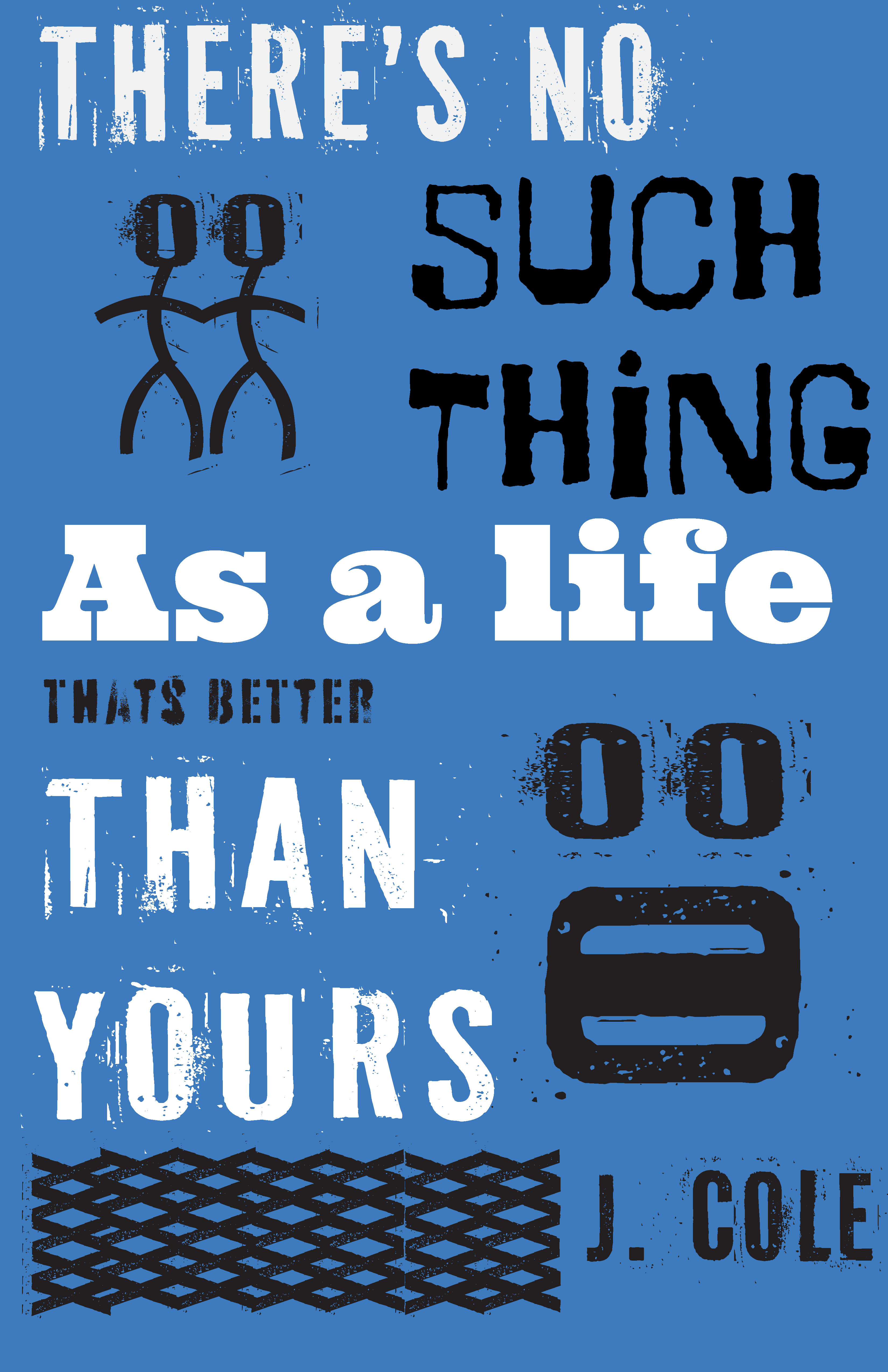
Sean Liebowitz. Woodblock Poster.

Laura Gutaman. Woodblock Poster.

Ruby Donaldson. Step-by-step.

John Patrick Daniels. Step-by-step.
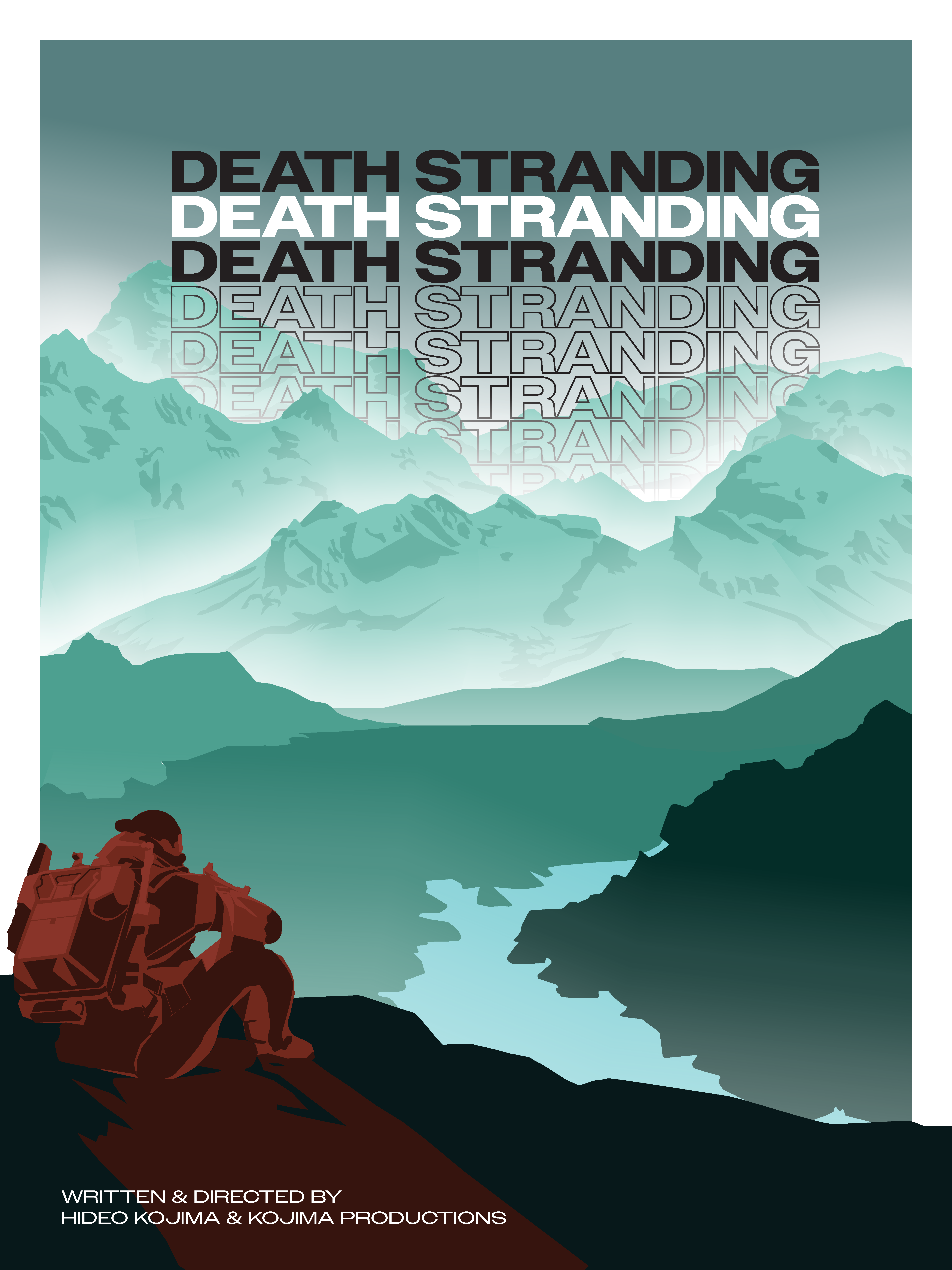
TJ Lawton. National Parks Poster.
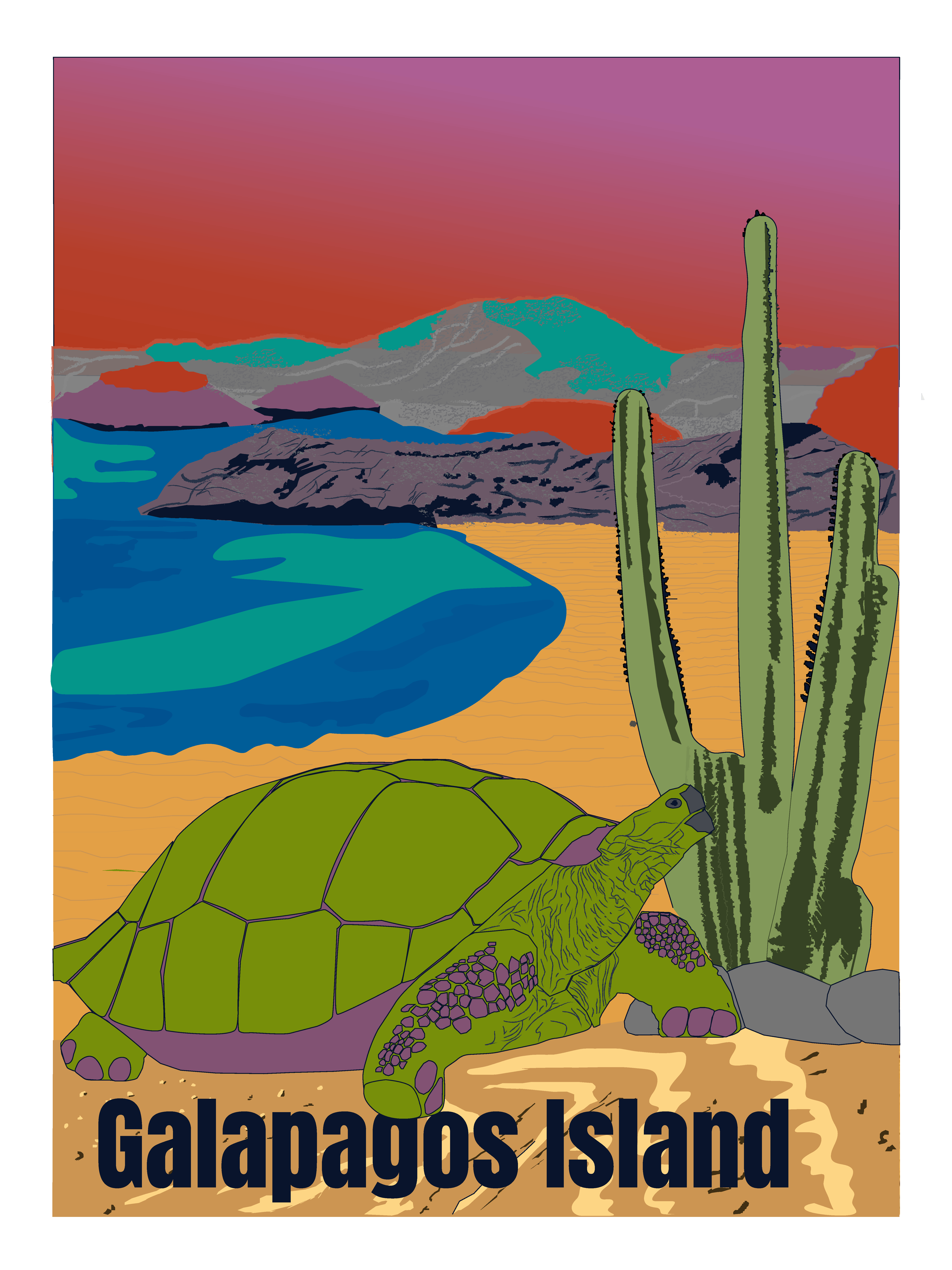
Laura Gutaman. National Parks Poster.

Mint Bates. National Parks Poster.
nataliemertz.com ©2026
nataliemertz.com ©2026
nataliemertz.com ©2026